
Compact Solar Power Kits
Sizing, Safety & Buying Guide for Off-Grid Energy
In regions facing frequent power outages and grid load shedding—such as West Africa—having a reliable, compact solar power system is essential for homes, shops, and outdoor applications.
Compact solar power kits offer a practical, cost-effective energy solution to keep lights on, mobile phones charged, and essential small electronics running during daily blackouts.
In this comprehensive guide, Nodumsor (https://nodumsor.com/) walks you through choosing the right kit size, understanding standard terminal wiring, and selecting durable battery storage built for high-temperature environments.
1. What Can a Compact Solar Kit Power?
Compact solar power kits are built for high energy efficiency and flexible modular setup. Depending on your total battery storage capacity (measured in Watt-hours / Wh), here is a quick reference guide on what a compact system can handle:
| System Capacity Class | Battery Storage Range | Suitable Household / Shop Appliances |
| Mini Emergency Lighting Kit | 100Wh – 300Wh | LED light bulbs, mobile phone charging, Wi-Fi routers, radios |
| Compact Household Solar System | 500Wh – 1,000Wh | Standing DC/AC fans, LED TVs, laptops, mini-fridges, smartphones |
| Heavy-Duty Portable Generator Kit | 1,500Wh – 2,000Wh+ | Full home emergency lights, power tools, CPAP machines, small coolers |
2. Key Technical Features & Safe Wiring Guidelines
To ensure stable performance and long product lifespan, compact solar systems utilize standard screw terminals, charge controllers, and dedicated wiring harnesses. Following correct wiring procedures is essential for safety and reliability.
A. Secure Wiring & Industrial Terminals
Unlike low-quality all-in-one gadgets, quality compact solar kits utilize heavy-duty screw terminals, MC4 solar connectors, and pure copper wiring. This ensures tight, vibration-resistant electrical contact, preventing loose wires, voltage drops, or high resistance overheating.
B. Safe Assembly & Connection Sequence
When connecting or setting up your solar kit, always follow the standard three-step installation sequence to protect electronic components:
- Connect the Battery First: Always wire the battery leads to the charge controller or inverter terminals first. This allows the internal system to detect and calibrate its operating system voltage.
- Connect the Solar Panel Second: Connect your solar panel wiring to the controller input terminals after the battery status is properly recognized.
- Connect Your Loads: Connect your DC outputs (such as 12V LED bulbs or DC fans) or switch on the AC outlet for small household appliances.
C. Versatile Power Outputs
A versatile compact solar kit should support multiple output standards to handle daily electrical needs:
- USB-A & Type-C PD Ports: Fast charging for smartphones, tablets, and laptops.
- DC 12V Terminals: Direct power supply for 12V DC LED lamps, DC standing fans, and router adapters.
- AC Output (Pure Sine Wave): Safely powers small AC appliances without electrical noise, humming, or motor overheating.
3. Why Choose Nodumsor Compact Solar Solutions?
At Nodumsor (https://nodumsor.com/), we engineer and supply durable, high-performance solar lighting and compact energy systems built to withstand challenging power environments:
- Long-Life LiFePO4 / Lithium Batteries: Built with high-grade battery cells that deliver thousands of charge-discharge cycles and offer exceptional thermal stability in hot climates.
- Smart Battery Management System (BMS): Built-in circuit protection prevents over-charging, over-discharging, short-circuits, and reverse polarity.
- Strict Quality Control: Every unit and wiring component undergoes multi-point testing before packaging and dispatch.
- Fast & Reliable Global Logistics: Express air and ocean freight shipping serving Nigeria (11–14 business days), Ghana (12–15 business days), Kenya (10–13 business days), and other regional destinations worldwide.
FAQ
Q1: Do I need professional tools to connect a Nodumsor compact solar kit?
No. Standard compact solar kits only require basic tools (such as a standard screwdriver) to secure the battery and panel leads into the charge controller terminals. Clear wiring diagrams and user manuals are included with every package.
Q2: How long does it take to charge the battery using solar panels?
Charging time depends on the solar panel wattage and sunlight intensity. For example, a 100W solar panel can fully recharge a 300Wh lithium battery pack in approximately 3.5 to 5 hours under full direct sunlight.
Q3: How do I request a bulk wholesale quotation (RFQ)?
If you are a distributor, dealer, or bulk buyer in Africa or other regions, you can submit your RFQ directly to our sales team at sales@nodumsor.com. Please specify your desired quantity, product model, and destination city to receive an instant FOB/DDP quotation.
Need Help Sizing or Purchasing Your Compact Solar Kit?
Connect with our engineering and sales support team at Nodumsor:
- Website: https://nodumsor.com/
- Sales & Wholesale Inquiries (RFQ):
sales@nodumsor.com - Technical Support & Logistics:
support@nodumsor.com - Working Hours: Monday – Friday, 9:00 AM – 6:00 PM (GMT+8)
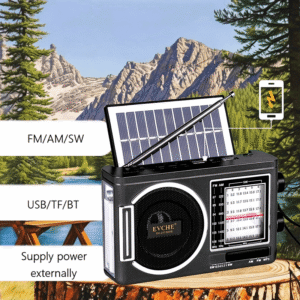
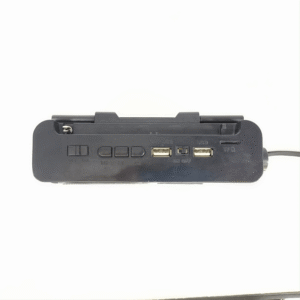

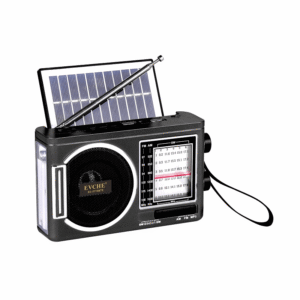
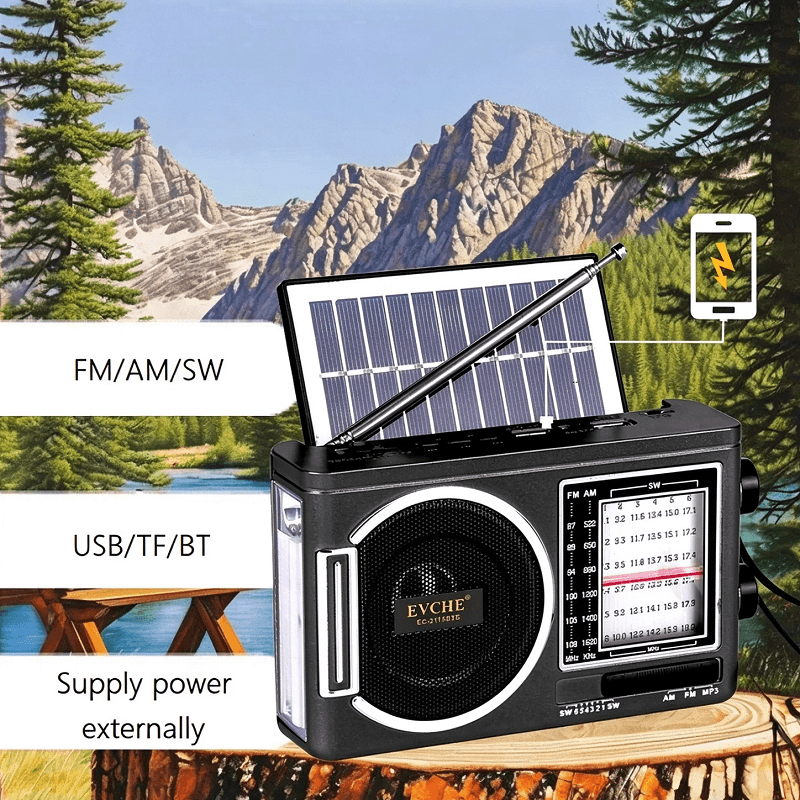
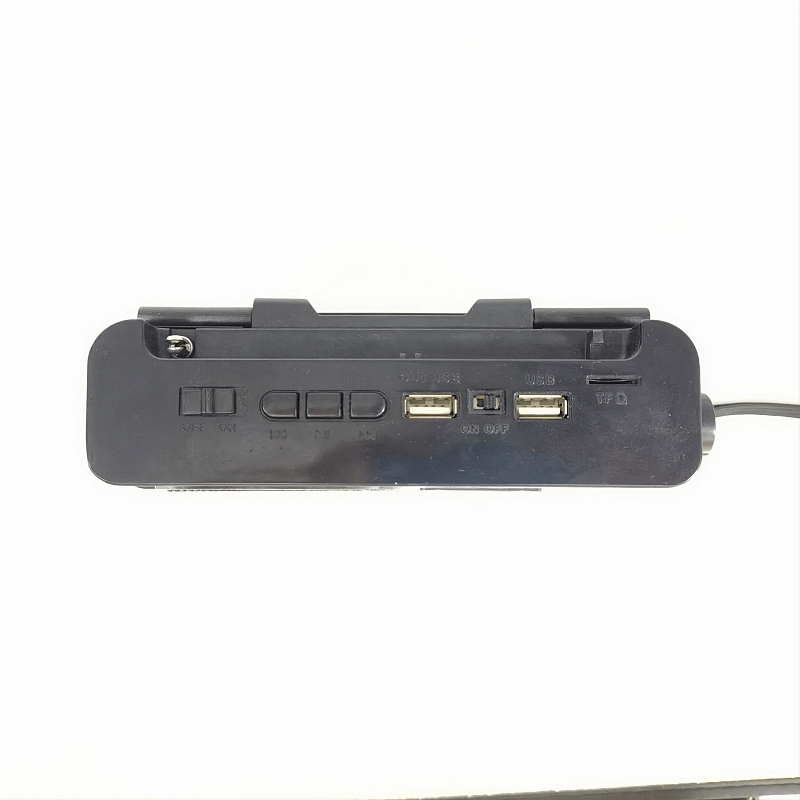
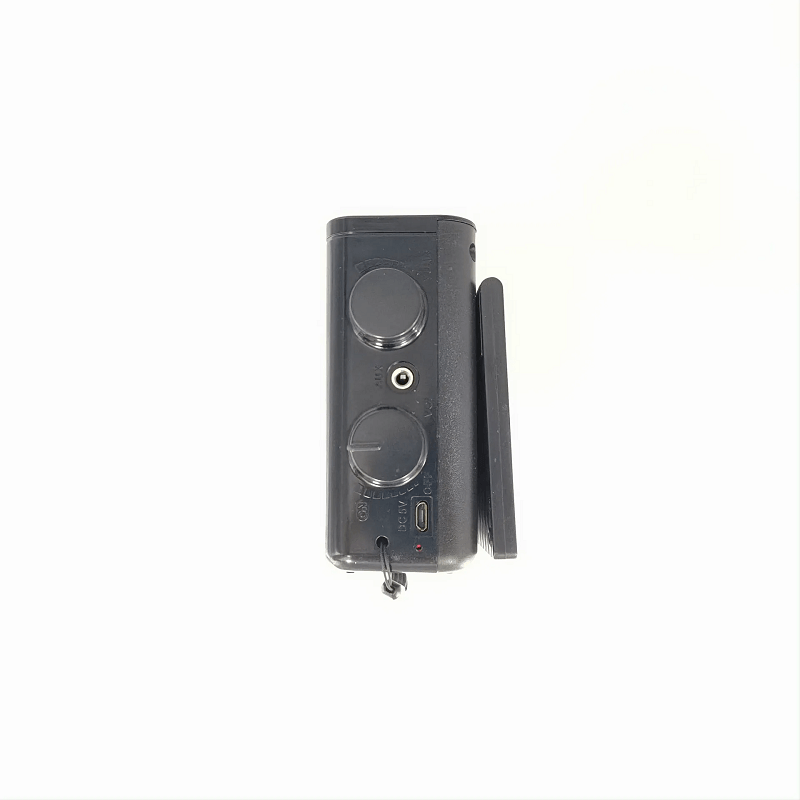
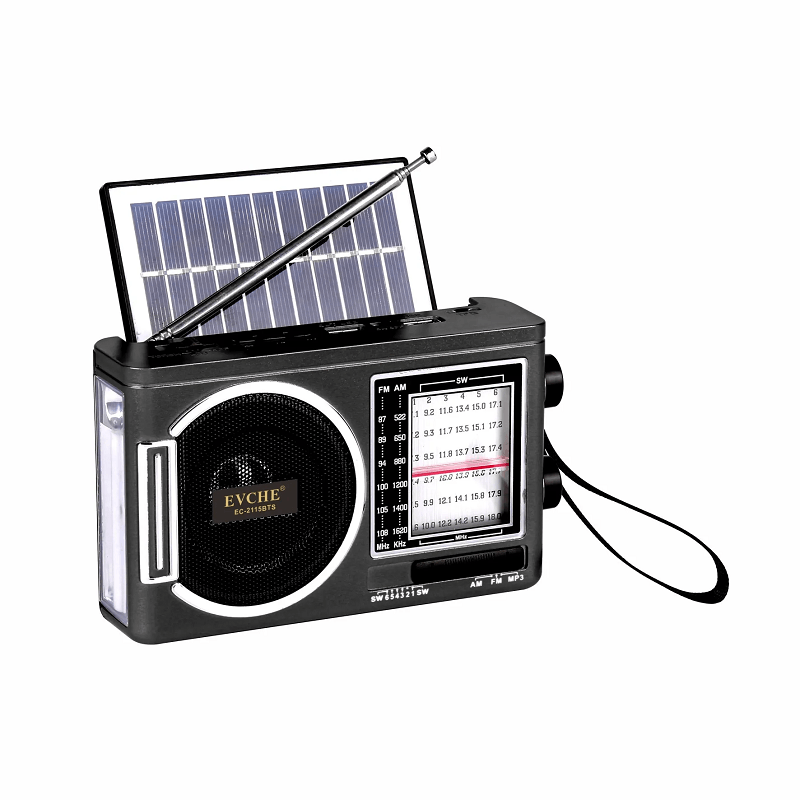
Premium Multi-Functional Solar Radio FM & High-Lumen LED Emergency Lighting System
📻 PREMIUM SOLAR MULTI-FUNCTIONAL FM RADIO & EMERGENCY LIGHTING SYSTEM
“Bring music, crystal-clear news, and ultra-bright light to your home—powered 100% free by the sun.”
Stay connected, entertained, and safe during unexpected blackouts. The Premium Solar Multi-Functional Radio and Lighting Center is the ultimate all-in-one survival companion designed for every modern home, garden, shop, and outdoor compound across West Africa.
Good,it is useful